BIOFONIA · the Peruvian movement
AMAZÔNICA
The music is finished, and has been heard at COP30. The image is the next step, and it will be made in Loreto.
BIOFONIA · the Peruvian movement
The music is finished, and has been heard at COP30. The image is the next step, and it will be made in Loreto.
The work
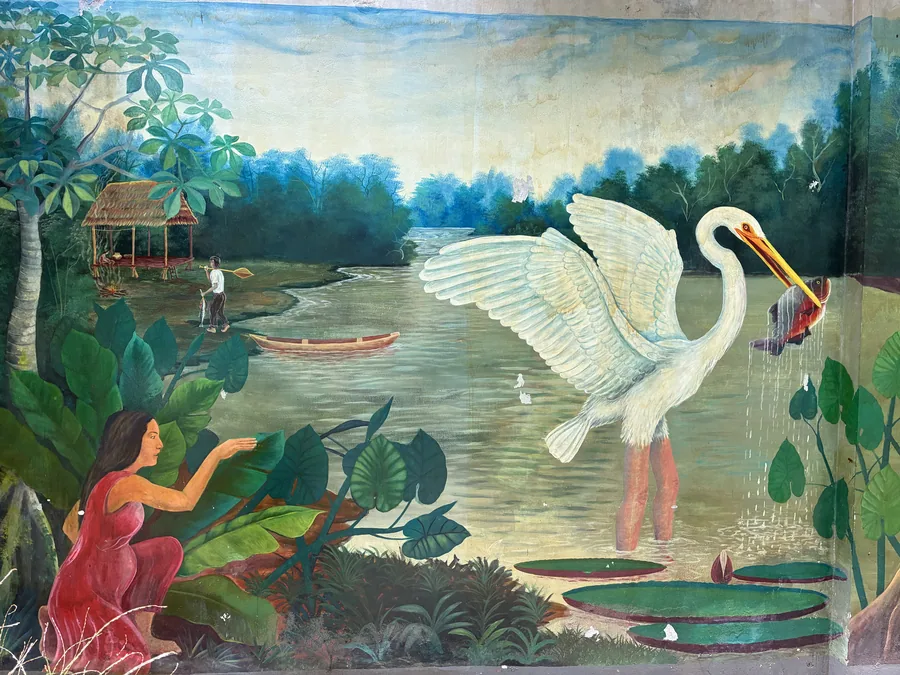
AMAZÔNICA is the second of BIOFONIA's three movements, one per rainforest (the first, ATLÂNTICA, is finished; the third, PACIFICA, is planned). Its frame is Parana Mamaka — "Mother of the River" — written by the Kukama poet Pablo Eli Taricuarima Piñedo and sung by Danna Gaviota. A young woman goes to the river, grieves its slow pollution and, through a journey into Kukama mythology, learns what must be done to protect her people's culture and their habitat. She asks the river what can be done, and the river answers: tell the world that I have rights.
A trumpet voice runs through the whole piece — it was written for the Peruvian trumpeter Emmanuel Tarazona. The music was orchestrated and played at COP30 in Belém on 11 November 2025, with the youth orchestra of Fundação Amazônica de Música and marimba soloist Ronni Kot Wenzell. It has since been performed in Denmark, where Nordjysk Pigekor learned to sing in Kukama. Like the rest of BIOFONIA it scales — from a single soloist to a full symphony orchestra — and wherever it is performed, the audience learns the song and sings it. Watch it live from COP30 →
The rest of this page is how the image gets made: six weeks in Iquitos and Nauta, March–April 2027. Everything from 2027 onward is described as a plan.
The starting point
In May 2025 a four-week residency with Correlación Contemporánea in Iquitos and Nauta produced the song that AMAZÔNICA is built on. In September 2025, seven young European directors made the first images to that music at Viborg Animation Festival. Both are where the work starts.
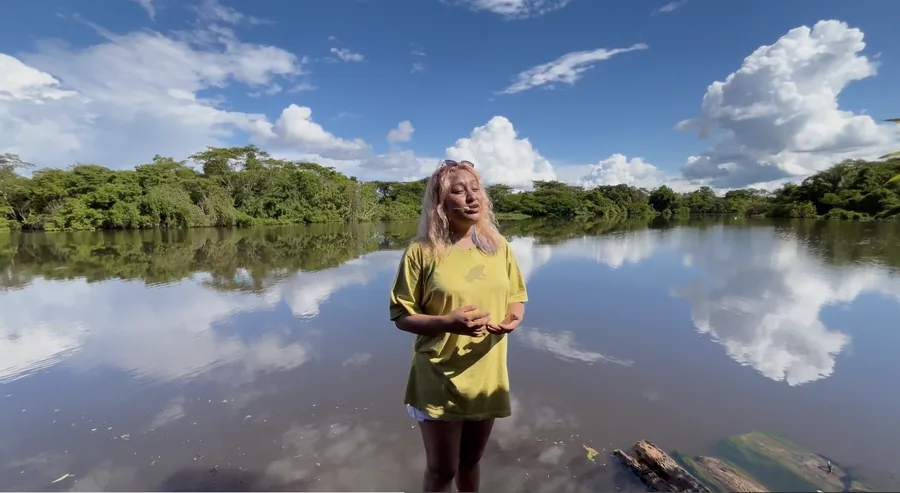
Parana Mamaka — "Mother of the River" — was written by the Kukama poet Pablo Eli Taricuarima Piñedo and recorded with singer Danna Gaviota on the Marañón at Nauta. Kukama has separate speech for women and men, and the lyrics were written in the women's form, for Danna. Kukama grandmothers shared songs that are at risk of being lost.
Mari Luz Canaquiri Murayari — leader of 29 Kukama communities and Goldman Environmental Prize laureate 2025 — met the team and approved the project before Pablo wrote a line, on one condition: tell the river and its worldview to the people who live outside the Amazon.
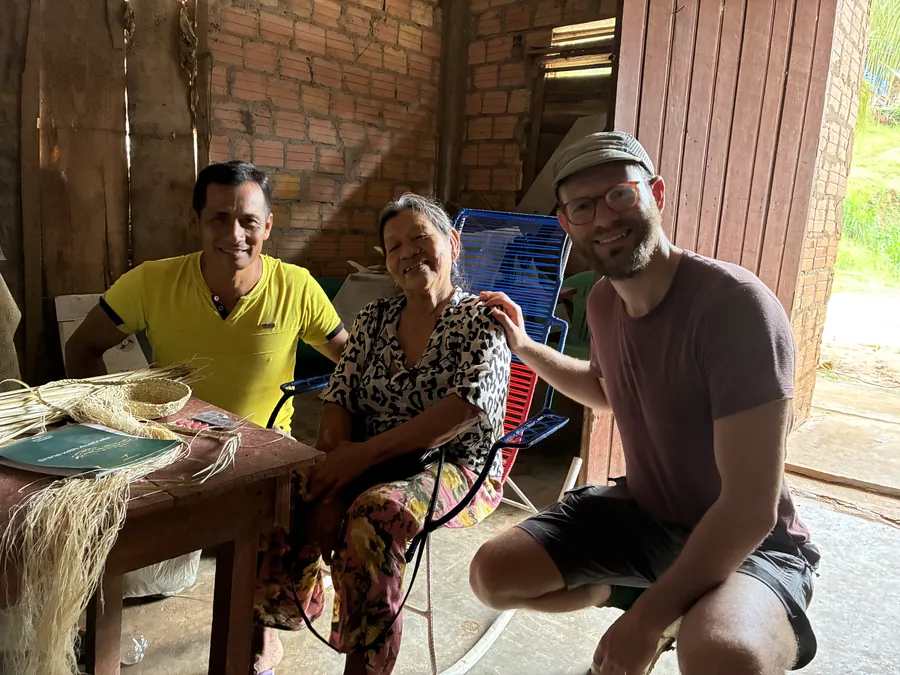
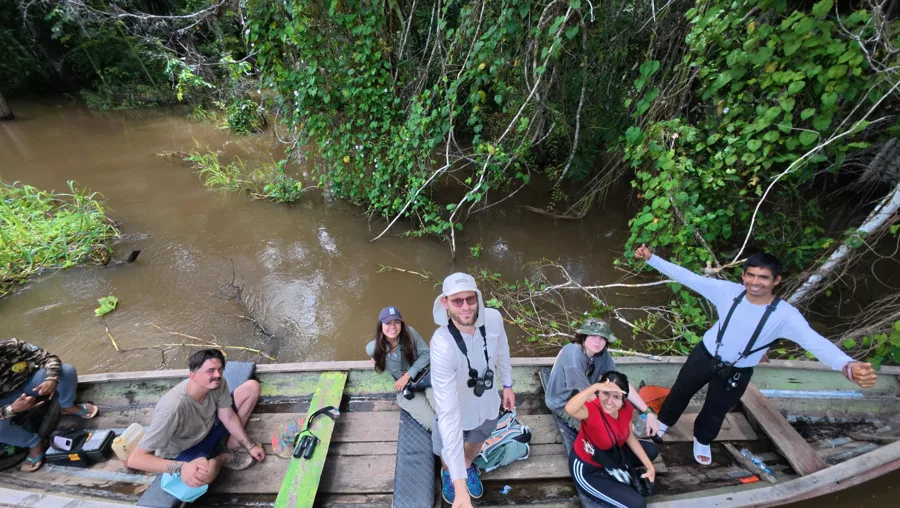
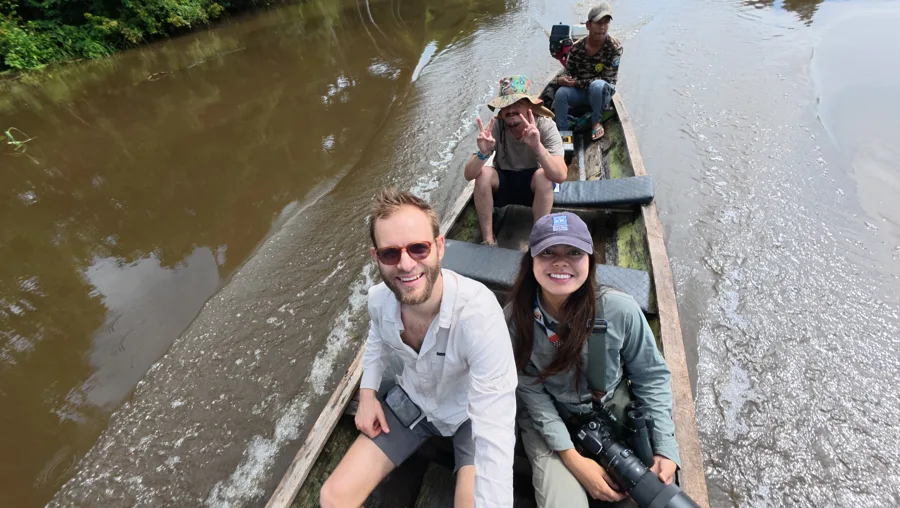
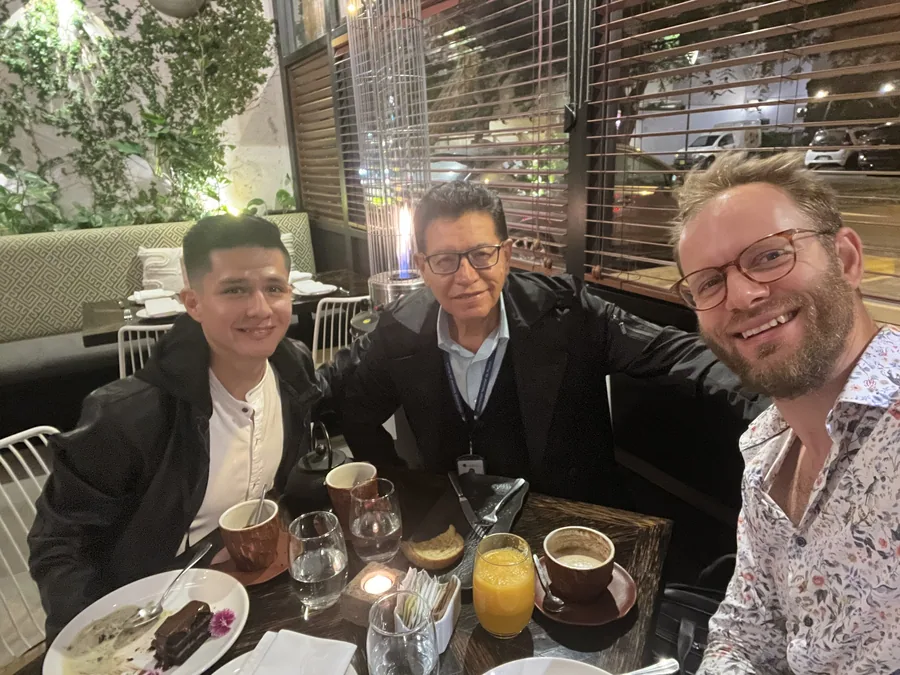
Before and after the residency, meetings in Lima connected the work with Peruvian orchestral life. With the conductor Wilfredo Tarazona Padilla of the Universidad Nacional de Música, who founded Peru's national network of children's and youth orchestras and choirs, Orquestando — and with the trumpeter Emmanuel Tarazona, for whom AMAZÔNICA was, in a sense, written: the trumpet voice that runs through the piece is his.
It was through Emmanuel that Correlación Contemporánea invited the work back to Peru. The dialogue with both of them is ongoing, towards the realisation of BIOFONIA in Peru in 2027.
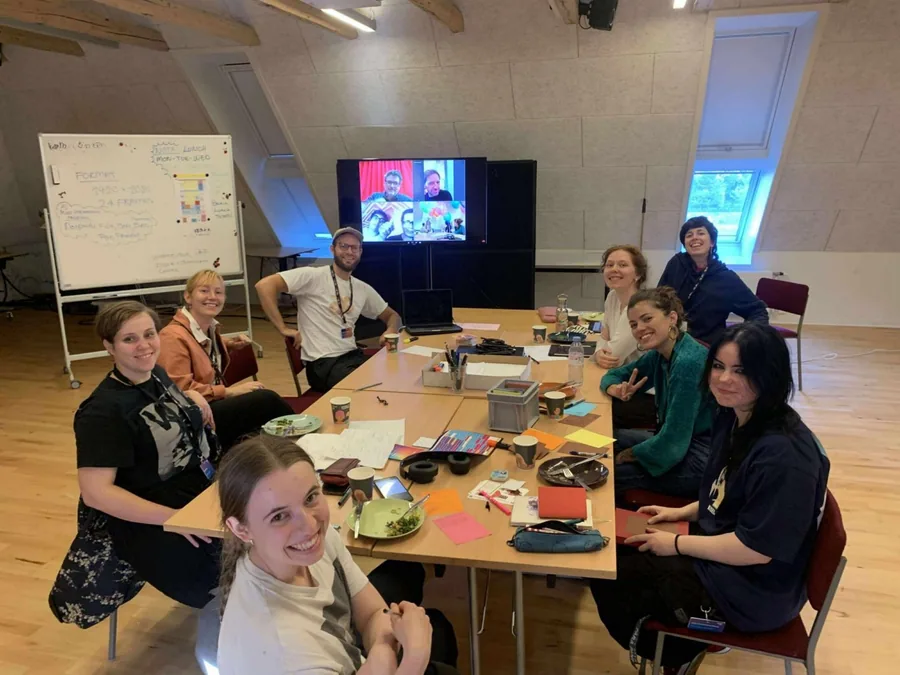
At Viborg Animation Festival's Filmmakers Workshop — the festival's second commission of BIOFONIA — seven young European women directors each made a short sequence to the finished music, under Ouros Animation's direction, with Pablo Eli Taricuarima Piñedo and Marco Herrera taking part online from Iquitos. They were never in the same room.
Klara Homzova (Transcending), Zuzana Madaras, Lenia Friedrich (The Ancient Boa), Maja Lindberg, Oksana Babych (Prayer to the River), Valentine Castillo (Kukama Project) and Eline Iochev. Every one of them is credited in the finished work.
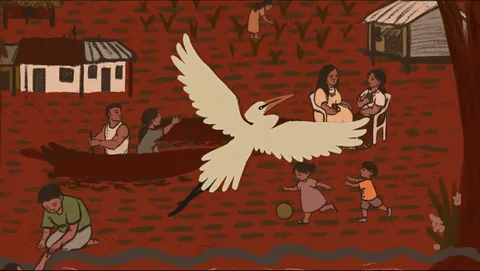
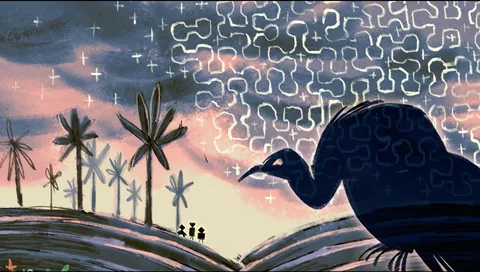
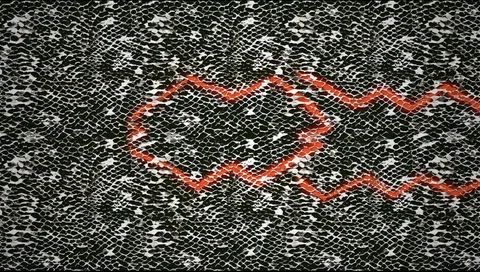
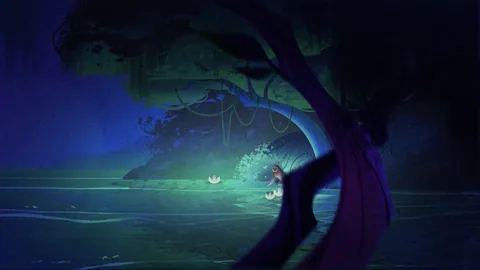
The visual material made in Europe in 2025 is a starting point. Its colours, motifs, sequences and interpretation can change in Loreto.
How it works
In Loreto the process changes the professional artwork itself — and it is possible to name exactly where.
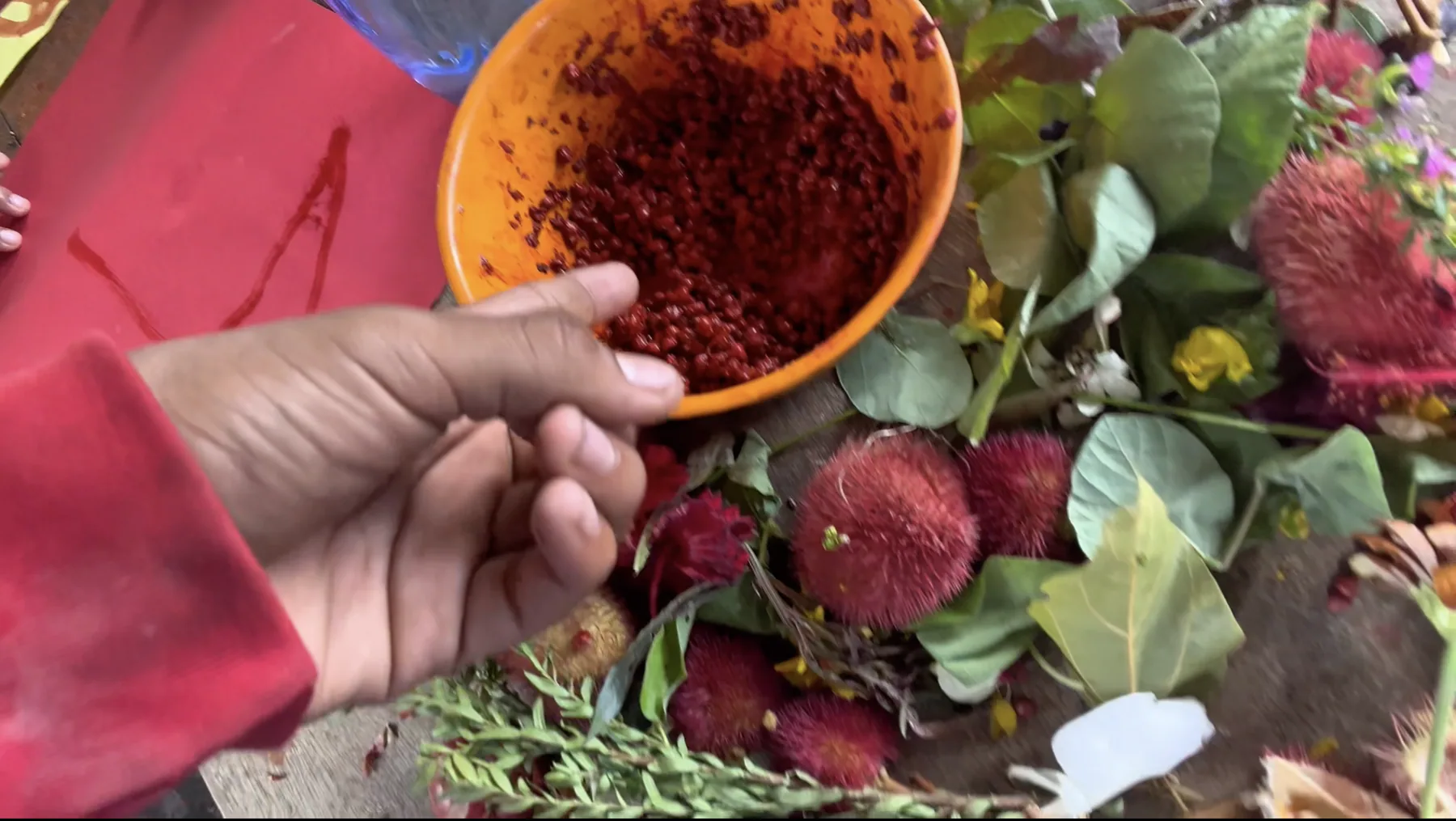
The young people go out and make pigment from the plants and fruit of the forest — Marco Herrera's method, already used in Loreto schools. They paint their rainforest while listening to the music. What comes back is the colour palette of this particular part of Loreto, and it guides the animators' choice of colours.
Then the existing AMAZÔNICA material is shown, and they are asked whether it looks and feels like their rainforest. Their answers decide which parts are reused, which are changed and which are dropped. In week six their paintings are exhibited beside the film they shaped, and they sing and play with it on stage.
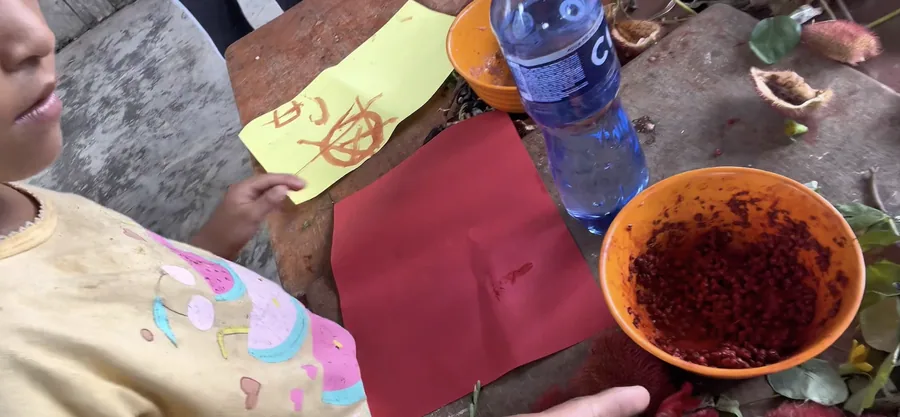
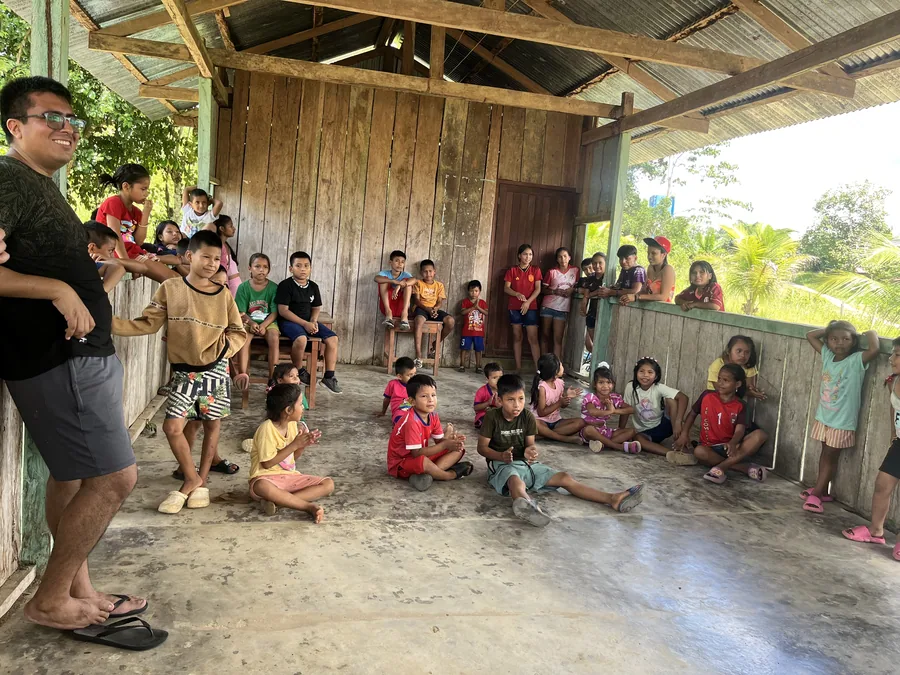
The European team is not Kukama, so the work is made with Kukama and Peruvian collaborators and then travels to audiences elsewhere. Danna Gaviota and Pablo Eli Taricuarima Piñedo guide how Kukama language and stories are interpreted, and the way of working is simple:
Kukama language, stories, cosmology and representation are shaped in conversation with them. The work is meant as a meeting between Kukama, Latin American and Danish ways of thinking.
The aim is not to reconstruct an imagined Indigenous culture frozen in the past, but to work with contemporary practitioners whose culture, language and forms of expression keep evolving. Danna mixes traditional song with rap. Pablo teaches Kukama to Loreto's bilingual teachers and translates official documents into it. The song exists in a symphony orchestra.
Without the artistic level, this would be a social project. Without the social process, it would be a film.
The plan · March–April 2027
Correlación Contemporánea hosts and facilitates the stay and contributes lodging, meals, local guidance and the production of the presentations. Preparation runs remotely in January and February. On site: Mathias, Marco, Adriano, Danna, Pablo and Andrés. Philip Piaget directs online from Denmark.
Marco Herrera and Adriano will have identified schools in Iquitos and communities in and around Nauta; Pablo will have prepared the dialogue with the communities. Venues, local logistics and river transport are set.
At least four sessions with around one hundred participants, Kukama and non-Kukama young people together, with Danna or Pablo present at each. Pigment first, then painting to the music, then the existing material and their verdict on it.
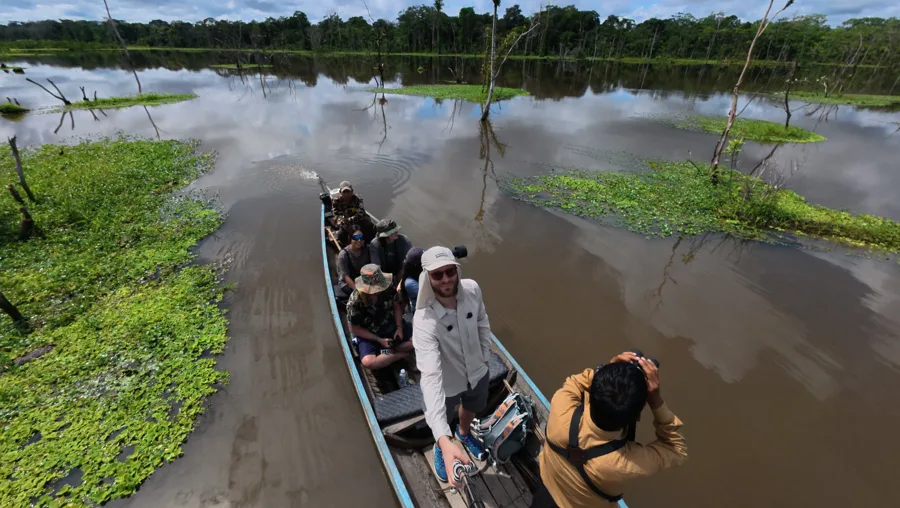
With Danna and Pablo, the team goes through what from the young people's input is useful, what from the 2025 studies stays, what changes and what is missing — and works with Loreto's visual artists on patterns, design and Kukama inspiration. In the same week, a six-hour boat journey from Nauta to Mari Luz Canaquiri's community for a conversation and a new interview.
Qamaqi Studio animates first on site and then from Tacna, together with Ouros Animation in Denmark. The 2025 material is reworked and new sequences are made where the collaborators ask for them. This is professional animation production, not a workshop.
The young participants come back. They see the animation, their paintings are exhibited beside it, and they sing and play with it on stage in free public presentations in Iquitos and Nauta, together with Danna Gaviota. They meet their contribution as part of a professional artistic process, not as a workshop exercise.
Everything on this page from 2027 onward is a plan, described as a plan. What is already finished — the music, the song, the seven studies, the COP30 concert — is marked as such.
The people
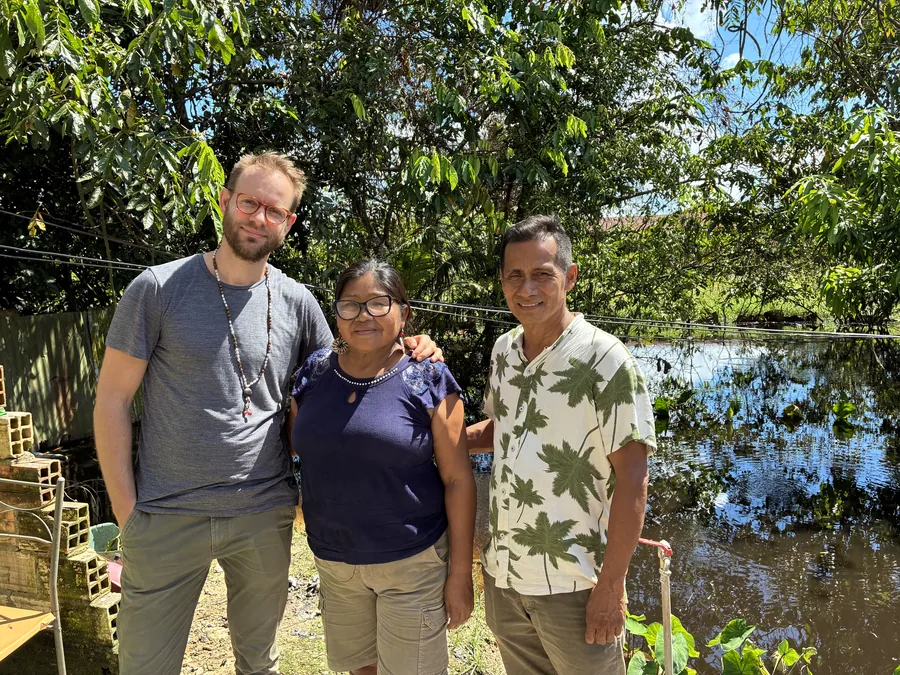
Roles are described by what each person does. Marco Herrera has worked for many years with the original peoples of Loreto, their languages and their cultures. Danna Gaviota and Pablo Eli Taricuarima Piñedo are Kukama artists and collaborators, and speak as themselves.
Working language on site is Spanish. A collaboration with AniMuyuna / Muyuna Fest in Iquitos is being explored.
From Loreto to the world
Paid professional work for Kukama and Loreto artists and for a Peruvian studio. Animation produced in Peru. Workshops in which young people's work enters a professional artwork and is exhibited beside it. Free public presentations in Iquitos and Nauta with those young people on stage. The plant-pigment palette method applied to animation, and a locally produced animation to a Kukama song. Documentation by local professionals. Credit for everyone who takes part — and a relationship with Correlación Contemporánea, Danna and Pablo that began in 2025 and is planned in years, not visits.
From the presentations in Iquitos and Nauta the work is planned onward to Lima. The finished animation is intended as the visual heart of TOCANTA, a free online educational material in Spanish, Portuguese, English and Danish, applied for and pending. In week 44 of 2028 Aalborg Symphony Orchestra plans to perform BIOFONIA free of charge for four to five thousand children, with the animation and with Danna Gaviota as a paid professional soloist. The Danish Cultural Institute in Brazil, a partner since 2024, closed in January 2026; independent long-term artistic relationships now carry the exchange.
International reach is what turns a Kukama song into something a Danish child sings. And the story comes full circle in Nauta, with the young people who helped make it.
Rights, consent and credit
Before public dissemination, agreements on credit, consent, authorship and future use are made directly with the artists whose songs, images, artistic contributions or culturally specific material enter the finished work, with Correlación Contemporánea facilitating locally. No culturally specific material is reused beyond the agreed context without consent. Everyone who takes part is credited, including the young directors from 2025.
Correlación Contemporánea facilitates the process. Rights to the Kukama contributions belong to the artists and communities themselves.
In their own words
“If you are Kukama, the river is your relative. You get your food there, you travel on it — but it is also your mother. That is why the song is called the mother of the river. It belongs together; it is not two different things.” Mathias Madsen Munch · composer, BIOFONIAThe talk on the LEARN stage, Naturmødet, Hirtshals, 29 May 2026
“We met her an hour after she had come from a funeral. When we came back with her own songs, she had become fifteen years younger. That says something about what music and songs can do.” Mathias Madsen Munch · composer, BIOFONIAThe talk on the LEARN stage, Naturmødet, Hirtshals, 29 May 2026
“The parents tell the kids not to speak Kukama in public, which means it is super difficult to keep your songs alive. So we went to the abuelitas, and after some time building trust, they ended up presenting their original songs.” Mathias Madsen Munch · composer, BIOFONIAThe COP30 panel “Art as a Catalyst for Climate Engagement”, Denmark Pavilion, Belém, 19 November 2025
"I know the work Mathias intends to do, and I believe what he has above all is a genuine intention to serve as a link between the Kukama and his people. Having that is the most important thing for him to transmit the right message. Everything else can vary — the forms — but the essence is what will show." Pablo Eli Taricuarima Piñedo · Kukama Kukamiria poetAsked how people who are not Kukama can interpret the stories of the Amazon without appropriating them
"Come and live with the Kukama in their own village and take part in what they do. Don't show yourself powerful or rich — to know better, show yourself vulnerable. To know what is authentic you have to experience it; otherwise we are only looking at it as a study, a theory." Pablo Eli Taricuarima PiñedoHis advice to anyone coming from outside
"For the Kukama people, my people, the river is much more than a body of water: it is life, and the home of many of us — not only the fish and the dolphins, but our brothers and our families who live in those places. The production also expresses the worry we Kukama have about how the river is, how it feels, what is happening to it. We want to care for the river and protect it." Danna Gaviota · Kukama singer-songwriter, Nauta
"Ancestral cultures are imagined as stopped in time; but these are people who have connected with the world, and that brings other forms of expression. Language develops in that mixture — and that is what rehabilitates a language: more speakers." Marco Herrera · Director, Correlación Contemporánea, Iquitos