Our story
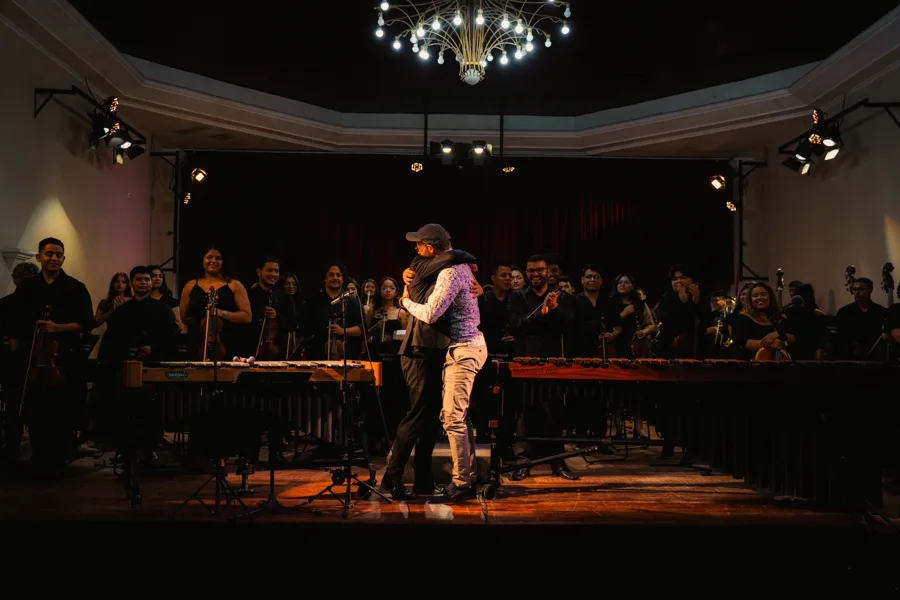
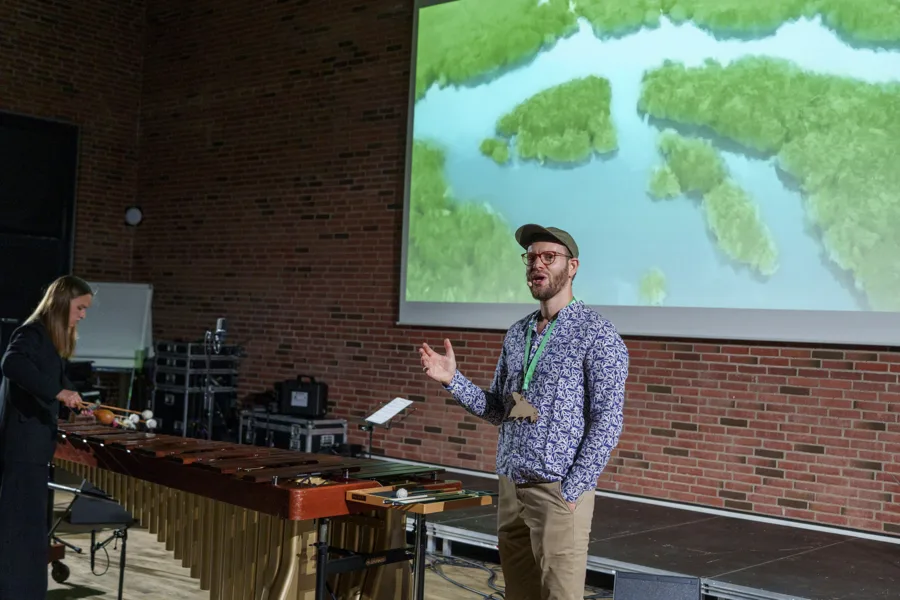
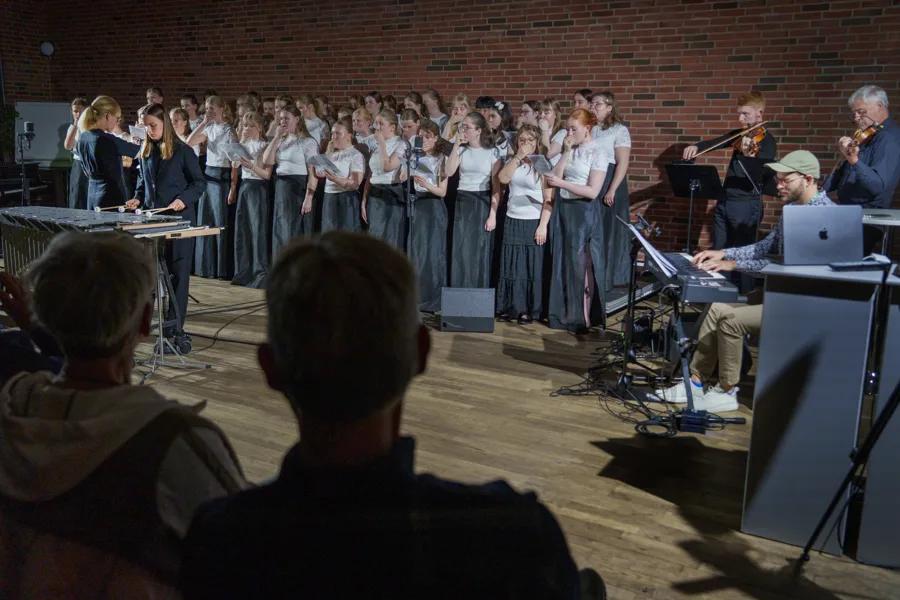
A work of encounters.
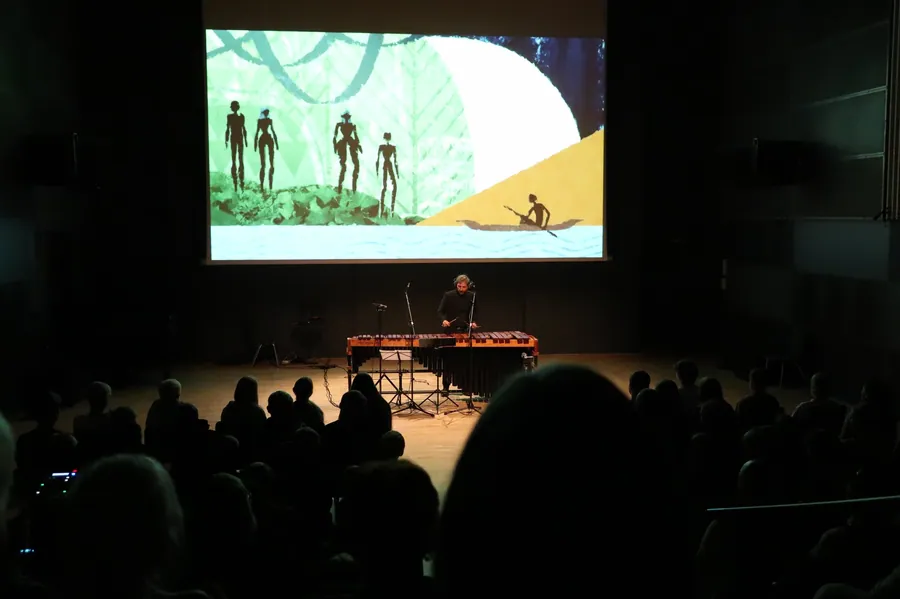
BIOFONIA did not begin with a score. It began with two journeys — and the music was written where it is set. The fieldwork came first; the score came after.
The Atlantic Forest and the Guaraní
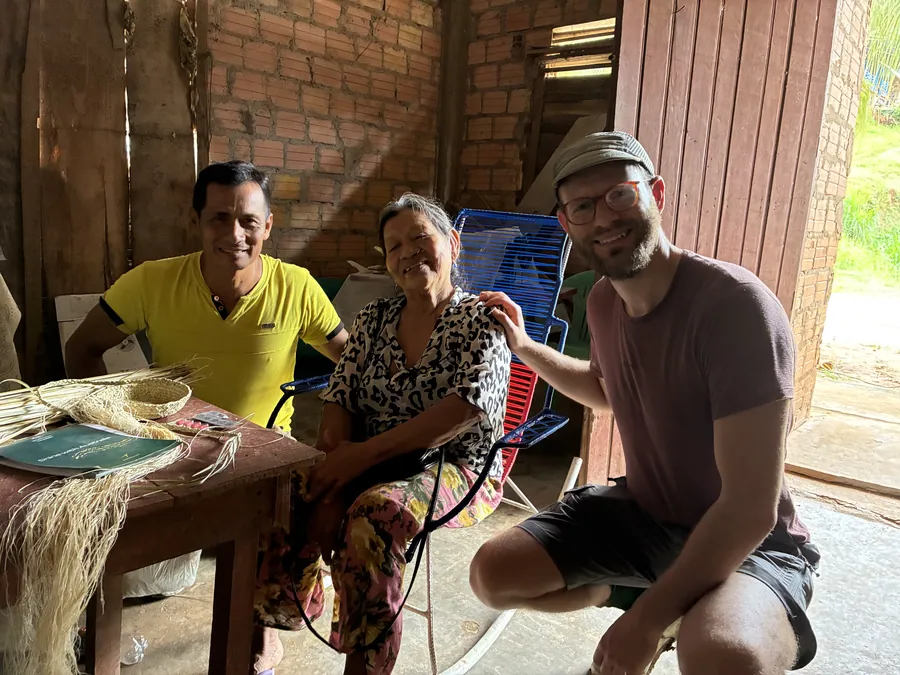
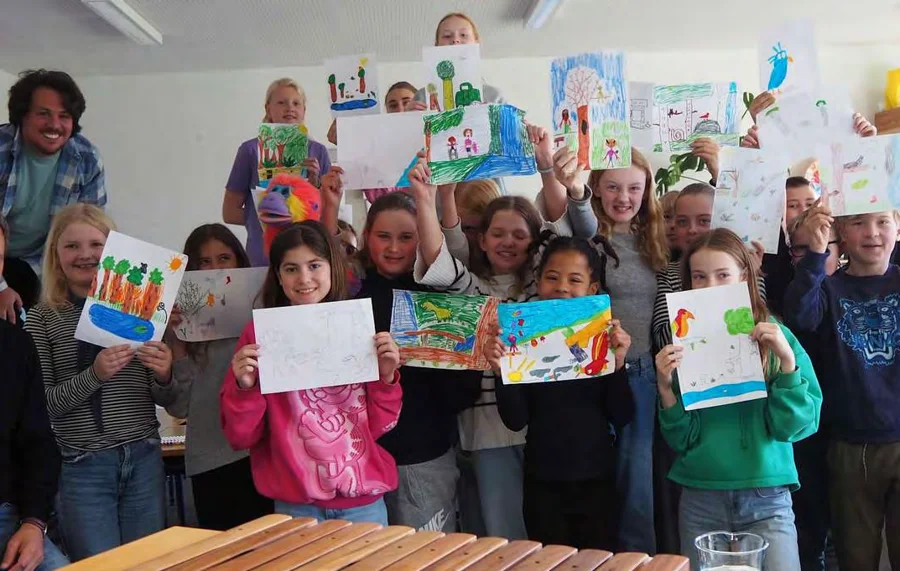
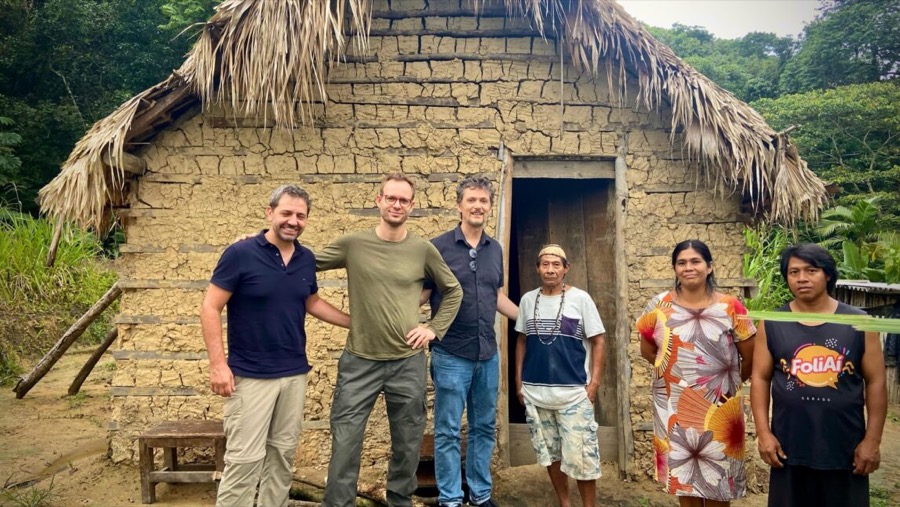
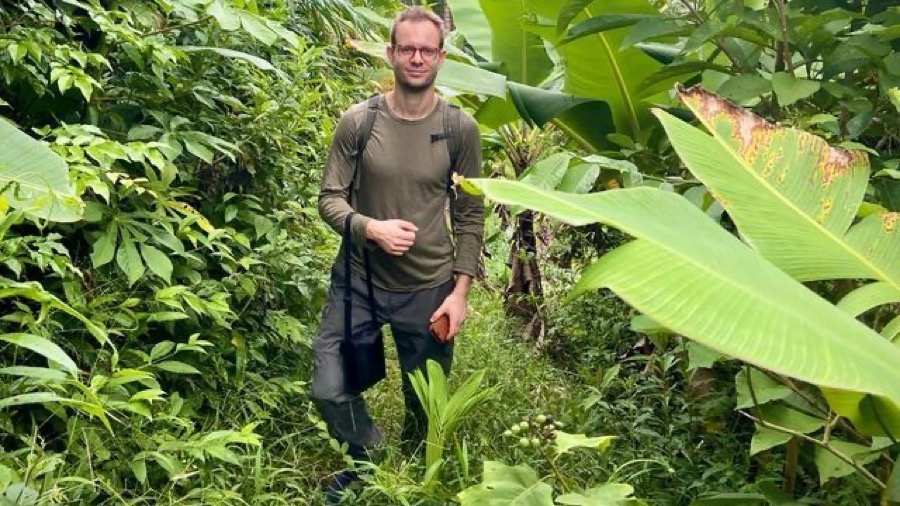
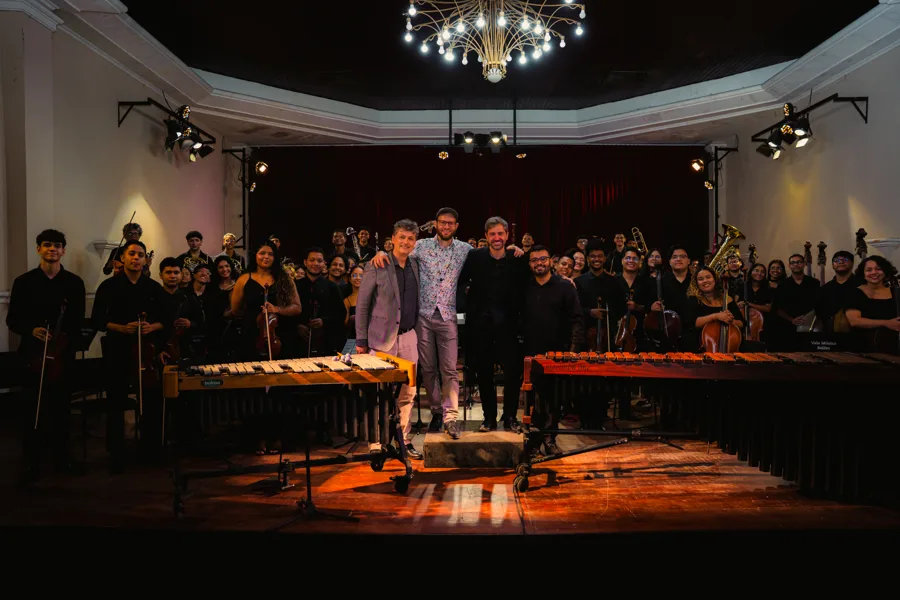
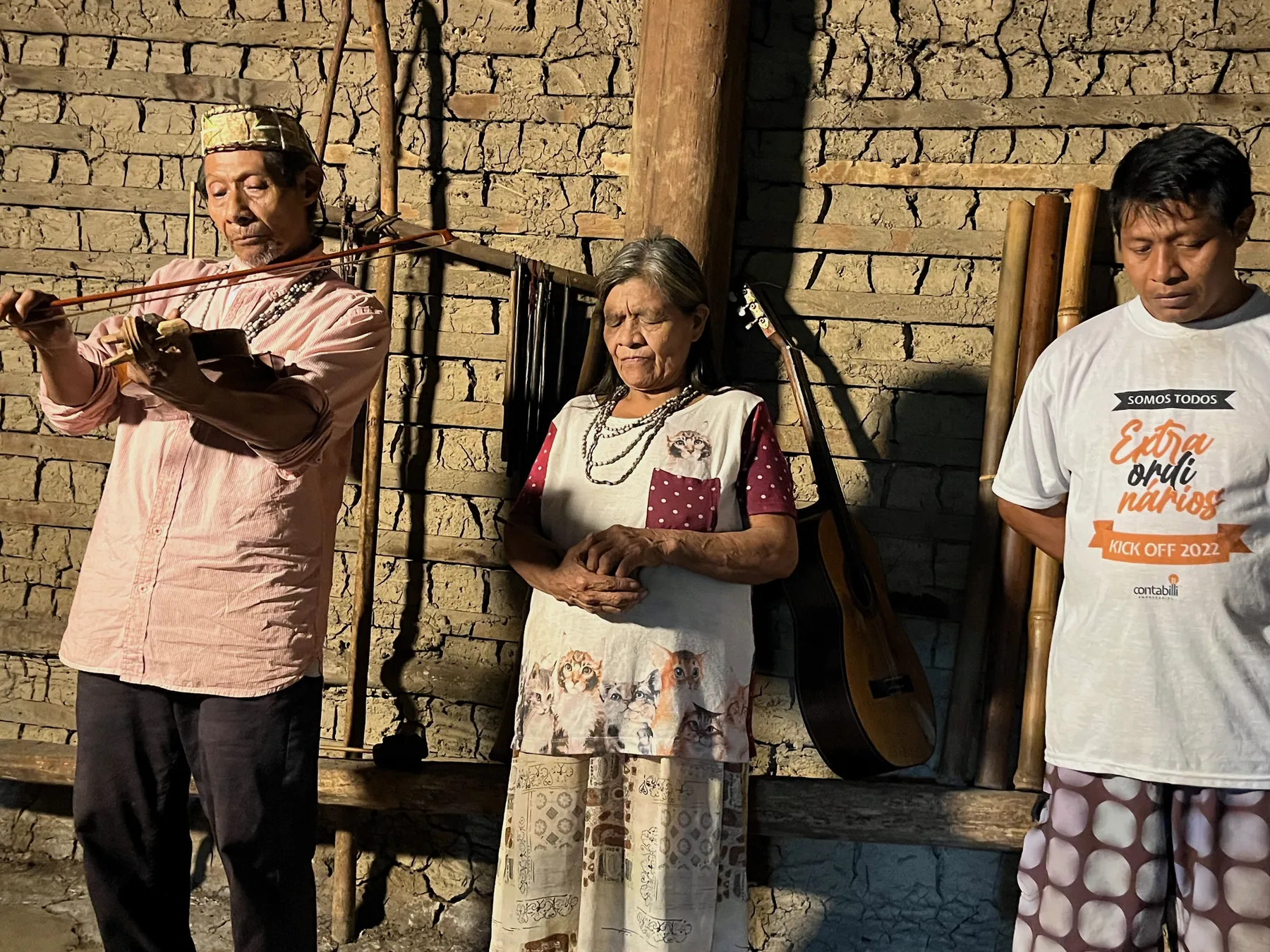
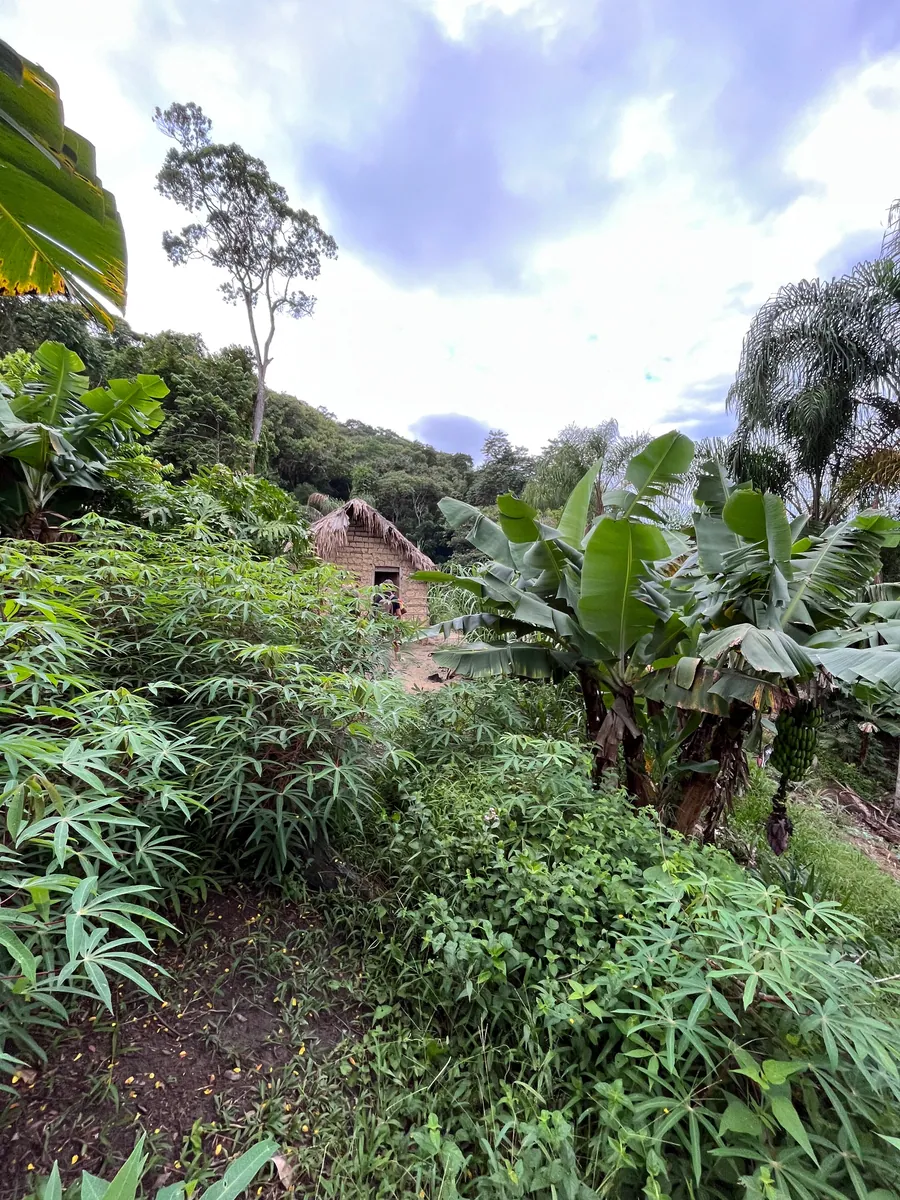
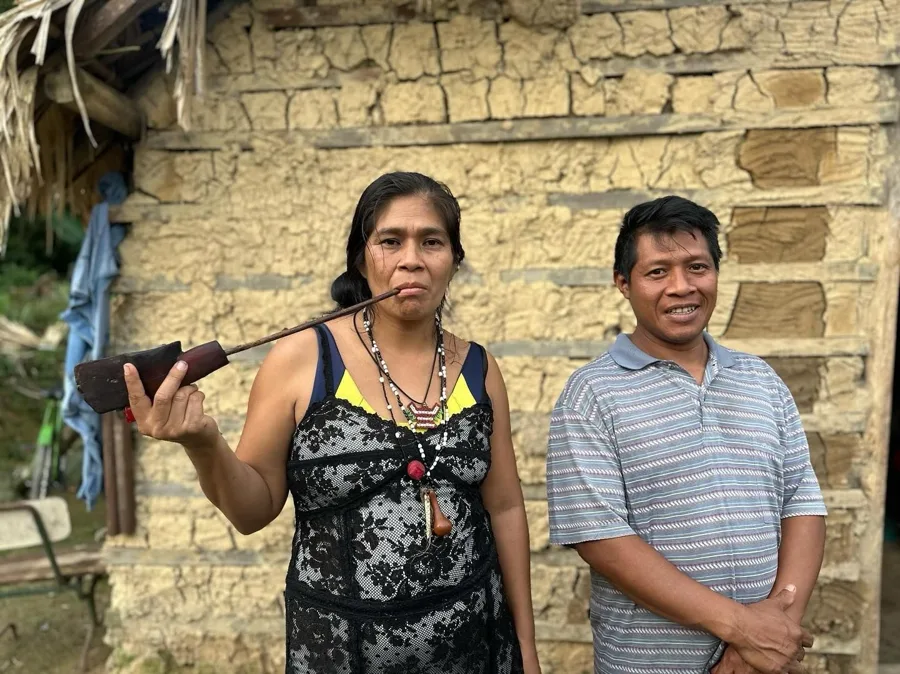
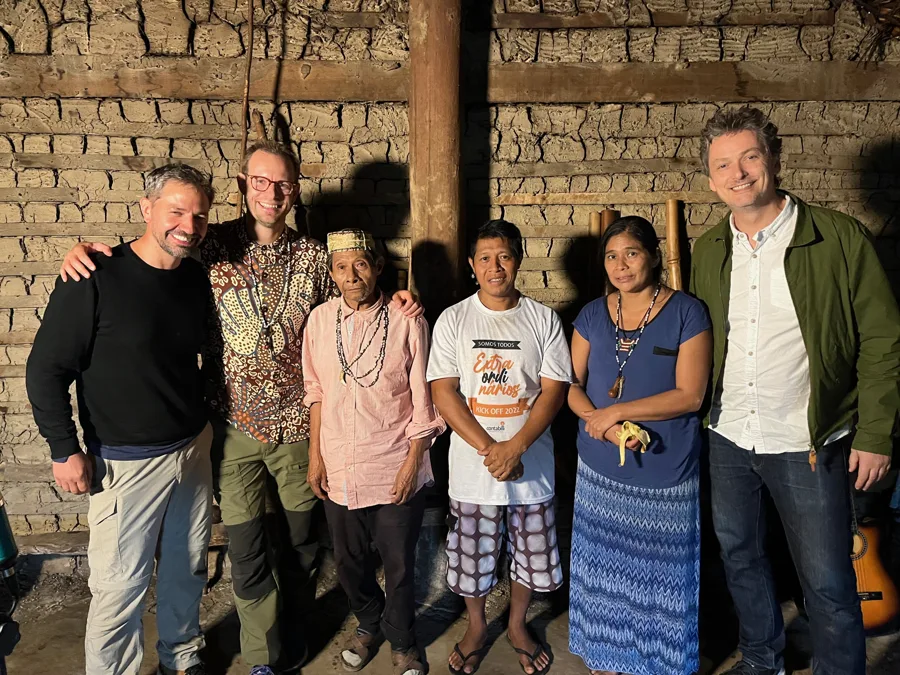
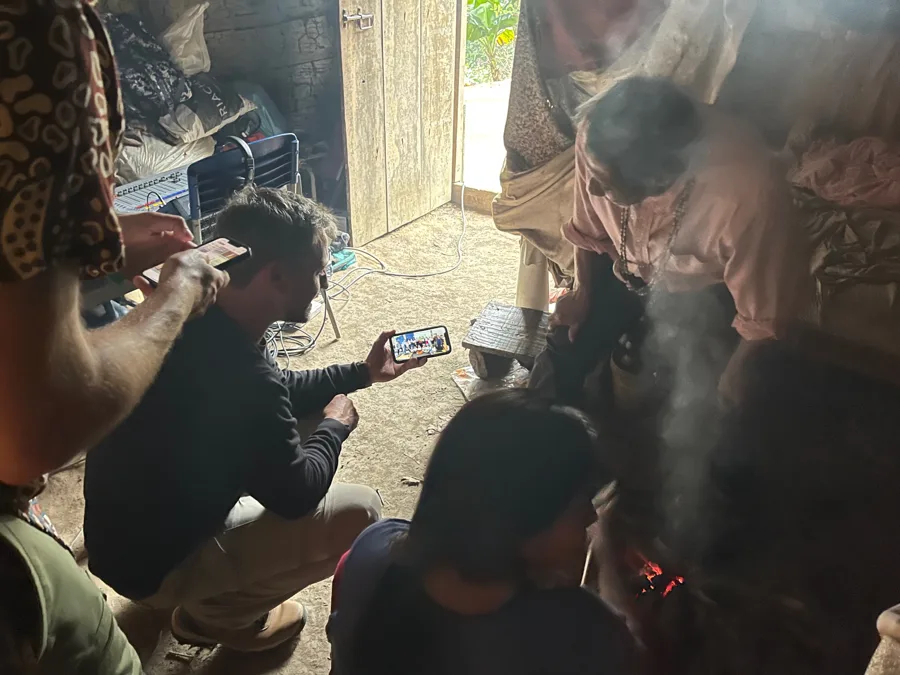
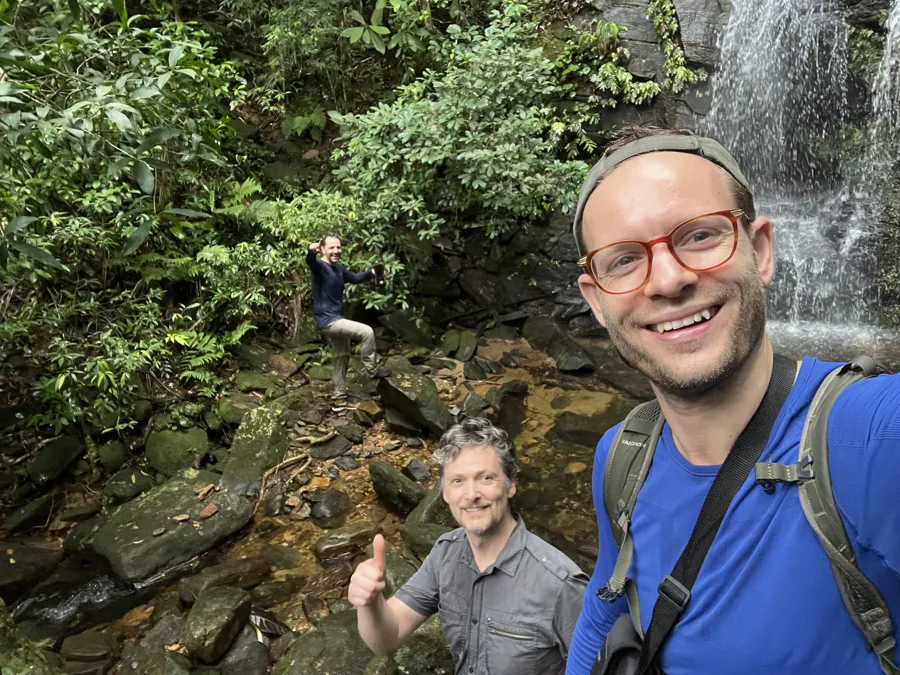
In June 2024, composer Mathias Madsen Munch, marimba soloist Ronni Kot Wenzell and Anders Hentze, Country Director of the Danish Cultural Institute in Brazil, travelled to the Iguape region in southern São Paulo state. With Fábrica de Cultura Iguape they were received in Tekoá Itapuã, a Guaraní village, and invited inside the casa de reza — the house of prayer, the village's most sacred place — for conversations around the fire with the chief, his son and his daughter-in-law.
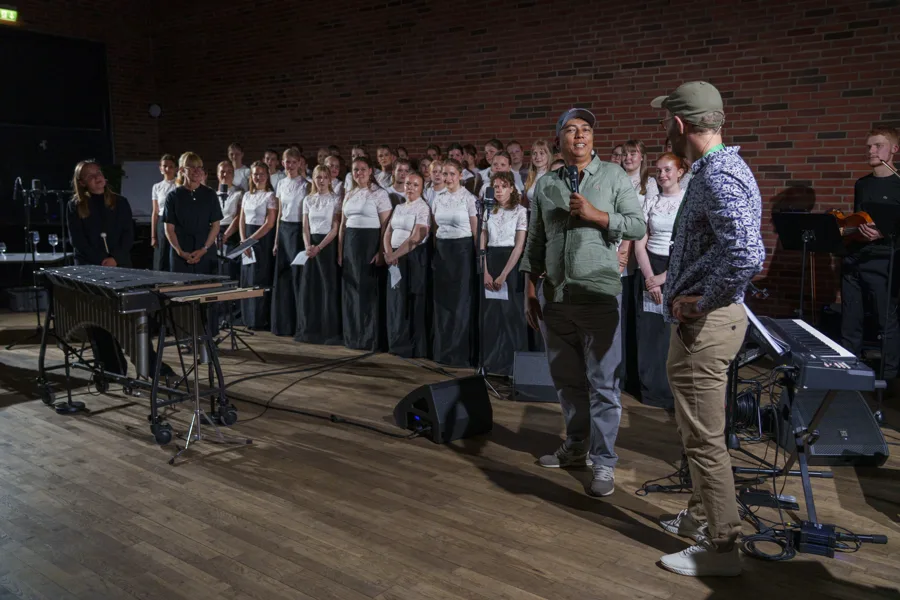
The ensemble Coral Guaray Oua opened their song tradition to the project. One of those songs, peme'en jevy — "give it back" — closes the first movement, ATLÂNTICA, with the permission of the people it belongs to.
The Amazon and the Kukama-Kukamiria
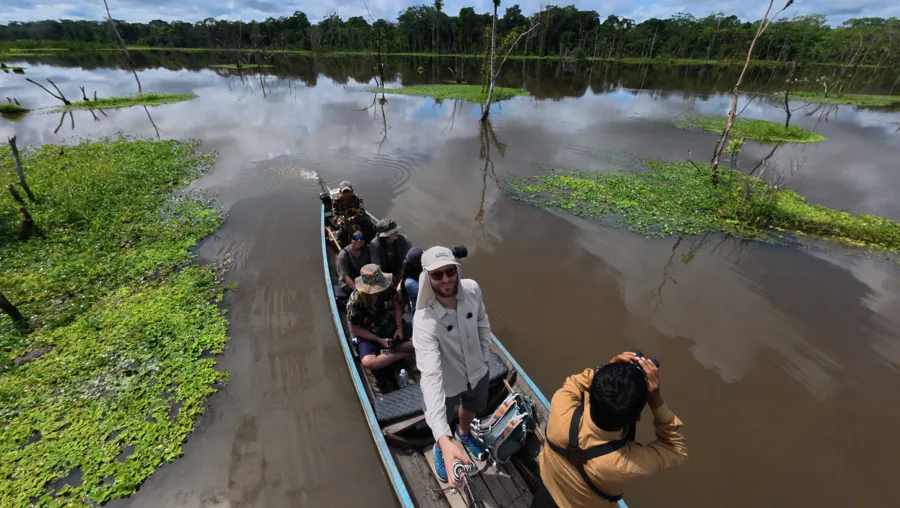
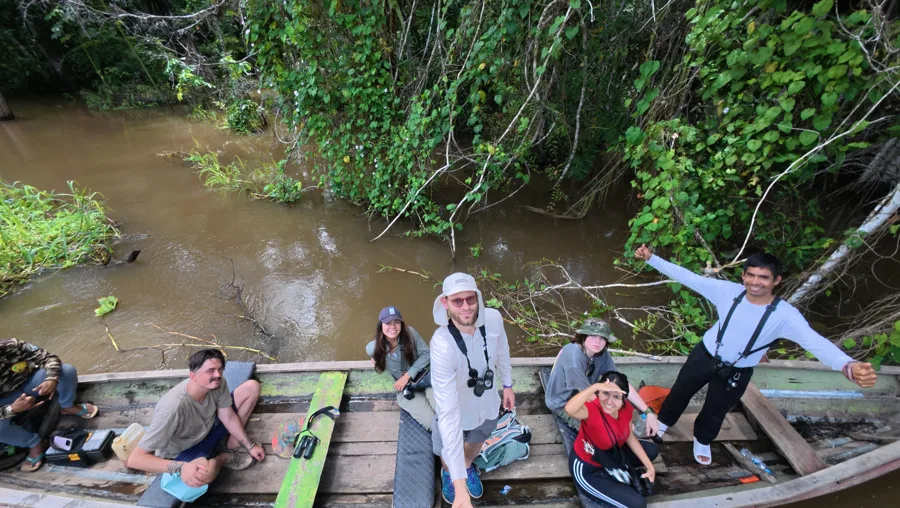
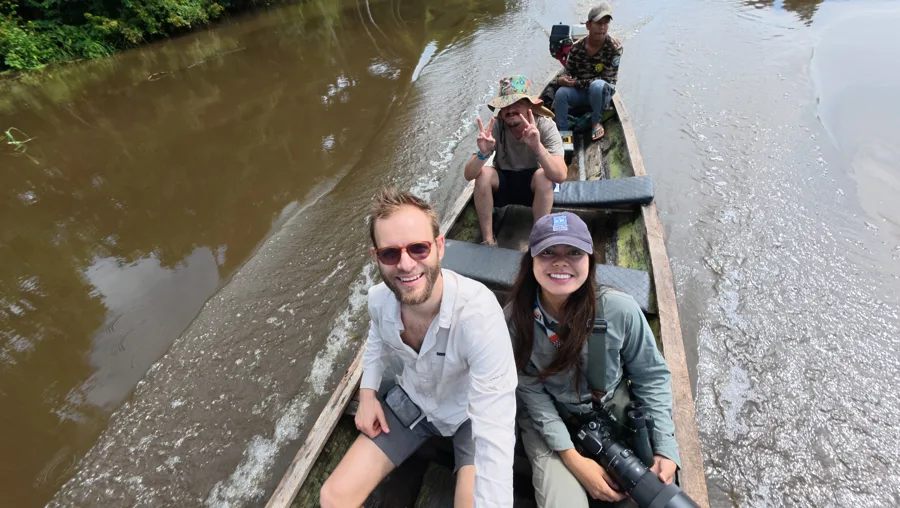
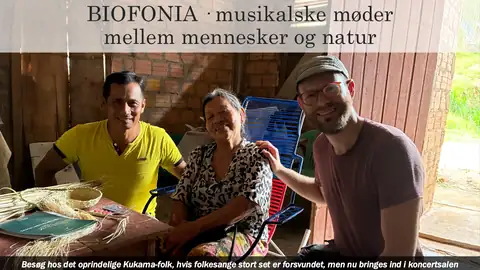
A year later, in May 2025, came a four-week residency with Correlación Contemporánea in and around Iquitos in the Peruvian Amazon. The work went through Marco Herrera and the Kukama artist Pablo Eli Taricuarima Piñedo, along the Marañón river at Nauta. The Kukama language is close to disappearing, and it is one of the few in the world where men and women speak different grammar. Elders shared their songs.
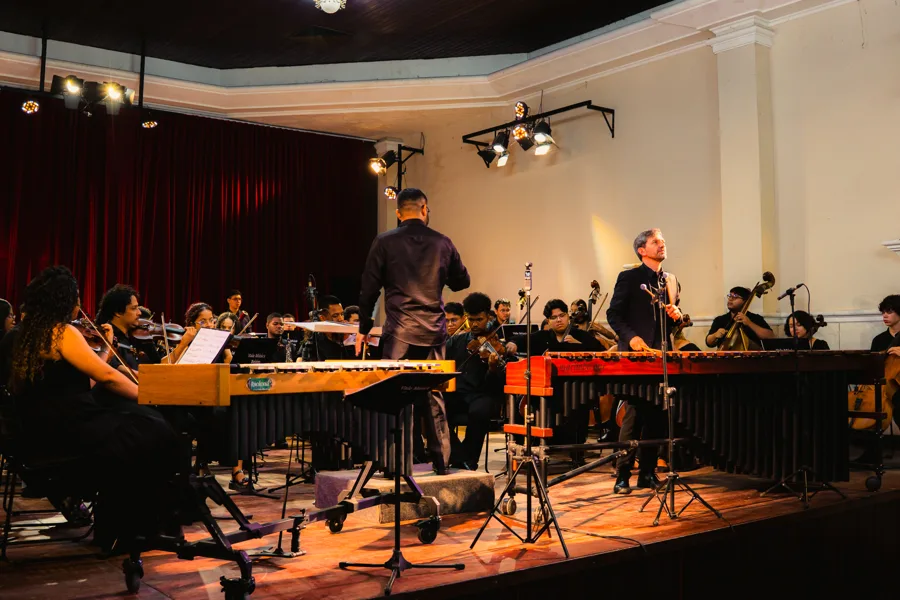
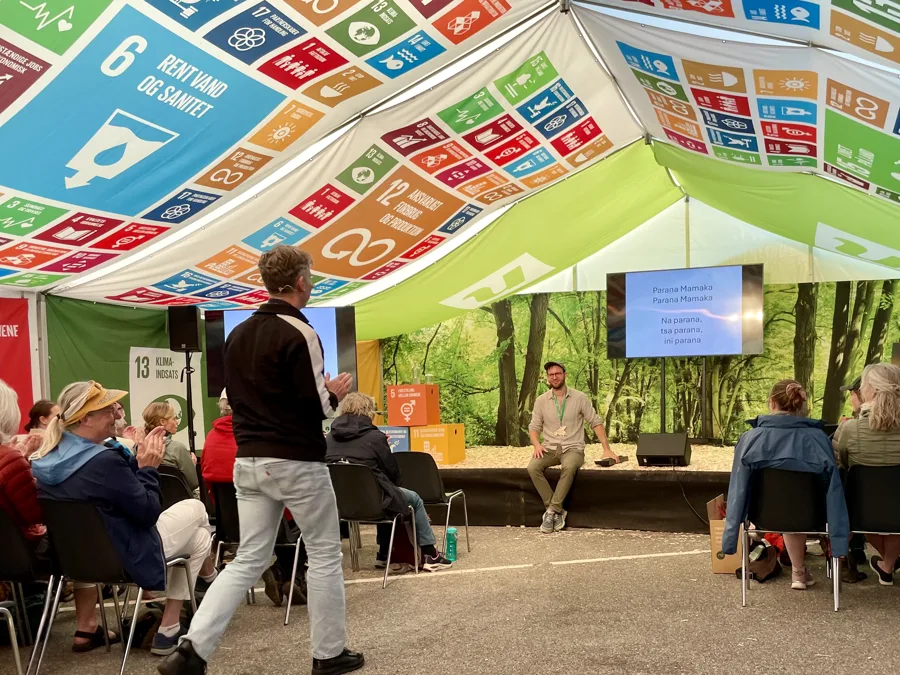
A new song, Parana Mamaka — "mother of the river" — was written by Pablo, recorded with singer Danna Gaviota by the river, and set for symphony orchestra: almost certainly the first time the Kukama language has been used that way. Mari Luz Canaquiri Murayari, Goldman Environmental Prize 2025 and leader of 29 Kukama villages, gave the project her blessing. That became AMAZÔNICA. BIOFONIA does not speak on the rainforest's behalf, and it does not perform anyone else's music. It is an interpretation, made in dialogue — and the artists it was made with are named, here and in the programme.